
An innovative new initiative is bringing a fresh layer of support to workers in recovery — one built not only on professional services, but on shared experience.
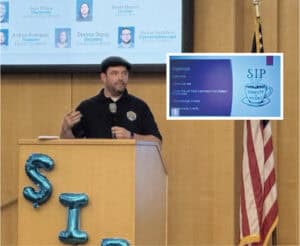
The Sobriety Is Possible (SIP) Employee Resource Group (ERG), developed by UWUA Local 1-2 members in partnership with Con Edison, officially launched in March following more than two years of planning. Designed as a peer-driven support network, SIP connects employees in recovery — and those who support them — across the company, helping to break down stigma and strengthen pathways to long-term sobriety.
“We already exist — we’re just an untapped resource,” said Sean O’Hara, a Local 1-2 member and the group’s founder. “This is about bringing people together so they can learn from each other and see that recovery is possible.”
A peer network built on shared experience
The idea for SIP grew out of informal connections formed during the COVID-19 pandemic, when traditional support networks were disrupted. As those efforts faded, O’Hara saw an opportunity to create something more lasting — an internal network where workers could connect with others who understand both recovery and the demands of utility work.
The group’s mission is to provide peer support, mentorship, and community for employees navigating recovery, while helping to reduce the stigma often associated with addiction.
At its core, SIP offers something many workers lack when leaving treatment — a built-in support system of coworkers who have been through similar experiences.
“One of the biggest gaps is what happens after treatment,” O’Hara said. “This helps bridge that gap by connecting people with others who’ve already found success.”
Working alongside established support systems
The company’s longstanding counseling program — one of the earliest of its kind in the country — remains a critical resource for individuals dealing with substance use and mental health challenges. Notably, the counselors themselves are members of UWUA Local 1-2, a unique arrangement that reinforces trust and ensures workers are supported by peers who understand the job and its challenges.
SIP is not a replacement for that professional support, but a complementary resource.
The two operate independently, ensuring confidentiality and encouraging participation without fear of stigma or disciplinary consequences, while supporting one another when appropriate.
“As a counseling unit, we provide clinical services and treatment resources,” said Raynaldo Ocasio, a Local 1-2 member and substance abuse counselor. “Groups like SIP are beneficial because they offer peer support — people who can relate and provide guidance in a different way.”
Participation in SIP does not involve the counseling program, and members can engage with the group without triggering any formal process. At the same time, both can serve as entry points to additional help when needed.
“There may be individuals who are already in recovery who just want that support network,” Ocasio said. “Others may start there and later seek additional services. It can work both ways.”
Expanding access to recovery support
For counselors like Sara Buckley, SIP represents an important new resource — particularly for people transitioning out of treatment or beginning their recovery journey.
“It’s a great resource,” Buckley said. “When people come out of treatment, we can connect them with others in the company who are in recovery. That kind of support and networking is critical.”
Buckley emphasized that peer connection can make a significant difference in long-term success.
“The people with the strongest support networks have the best chance at recovery,” she said.
She also underscored the importance of maintaining a clear separation between SIP and the counseling program.
“This is a completely separate resource,” Buckley said. “No one is reporting back to the counseling program, and participation is entirely voluntary. But if someone wants additional help, we’re here — and we can work together in a way that supports the member.”
Changing the conversation
Beyond individual support, SIP is also aimed at reducing stigma and encouraging more open conversations about addiction and recovery.
“This is about helping people become the best version of themselves,” O’Hara said. “If we can help even one person find a better path, then it’s worth it.”
As the group grows, it offers a model for how peer support and professional services can work side by side to strengthen the workforce.